The role of bentonite waterproof blanket
RELEASE TIME :
2021-08-03 14:11
As a waterproof construction method, bentonite waterproof blanket has certain advantages compared with other waterproof constructions, and the requirements for the bottom layer are relatively low. First, the concrete bottom layer is firm, the surface is flat, and there are no cracks, peeling, looseness, etc.; second, the necessary leveling of the concrete surface is carried out, and all internal and external corners are chamfered with bentonite particles or bentonite sealant to 5cmx5em; three, in the scope of bentonite construction Internally drilled, clean and free of debris.
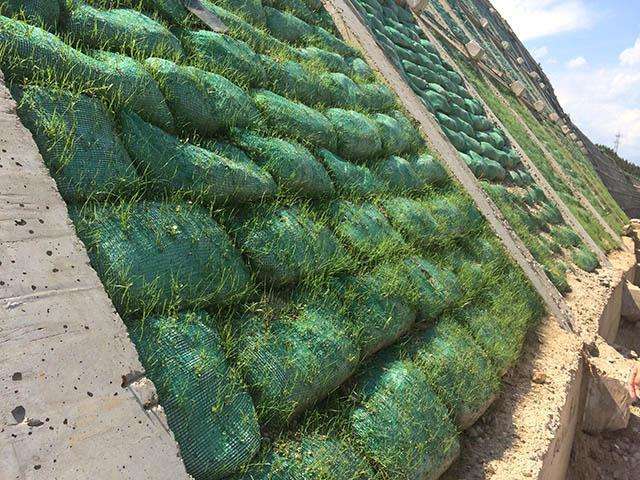
The construction of bentonite waterproof blanket has one thing in common with other waterproof methods, that is, it cannot be constructed in bad weather, such as rain, snow and heavy rain.
2. The specific construction method of bentonite waterproof blanket
1. Construction process
Before the construction of the bentonite waterproof blanket, a layer of bentonite particles should be dried and dispersed at a dosage of 3 kg/m.
2. Waterproof blanket blanking
Before cutting the material, check the site first, and determine the laying plan according to the characteristics of the project. According to the width of the waterproof blanket, the scheme standard should be based on the overlap and material saving of the bentonite waterproof blanket. The blanking must be accurate, but there is a small amount of surplus; unqualified blanking is prohibited.
3. Fixing of bentonite waterproof blanket
The front of the bentonite waterproof blanket is fixed with cement nails and gaskets, and the top surface of the waterproof blanket is not fixed with cement nails.
The length of the cement nails should not be less than 40mm, the spacers can be round or square, and the diameter or side length of the spacers should not be less than 30mm; the nail l should be plum-shaped, and the distance between the cement nails should be vertical (inclined) ) is 500mm on the surface and 3mm on the lap joint.
The washers shall be square washers cut from galvanized iron sheet 1.5mm thick.
The high-density polyethylene (HDPE) membrane side of the waterproof blanket should face the water.
4. Lap joint of waterproof blanket
The bentonite waterproof blanket is naturally lapped, the lap width is 100mm, and the lap joint is sealed with bentonite sealant at a dosage of 0.3kg/m2. The lap of the large surface waterproof blanket should not be located at the corner, and the lap distance from the corner should be greater than 500ram. No additional layers should be added to the waterproof blanket at the corner.
The laying method of bentonite waterproof blanket at the corner: first lay an additional layer with a width of 500mm (250mm at both ends of the corner), and then lay a layer of large waterproof blanket. Before laying a large waterproof blanket, evenly spread a layer of bentonite particles on the surface of the structure, with an amount of 3 kg/m.
If the overlap at the corner of the facade and the plane cannot be avoided, the overlapping width should be 600lnln, that is, the waterproof blanket on the facade and the plane should extend to 300mm between the plane and the facade at the corner, and an additional 500mm width should not be laid. Layer, the waterproof blanket on the facade should be pressed on the bentonite waterproof blanket on the plane; if the roof and side walls are covered with waterproofing, you need to press the side wall waterproof blanket to get the roof waterproof blanket.
Previous Page
RELATED NEWS
What is the function of the waterproof board?
2022/11/14 15:47
Precautions for waterproof board construction
2022/11/03 11:58
What are the characteristics of the waterproof plate
2022/10/24 14:32
What is the purpose of the waterproof plate
2022/10/08 16:06
CONTACT US
Contact person : Mr. Lu Dawei
Tel : +86-5342131818
Tel : +86-13792211121
WhatsApp:+86-13792211121
Address: Lingcheng Economic Development Zone, Dezhou City
Copyright : Dezhou Yiwei Geomaterials Co., Ltd. Powerby : 300.cn jinan2 SEO BUSINESS LICENSE