What is the function of composite drainage network?
RELEASE TIME :
2022-06-06 14:49
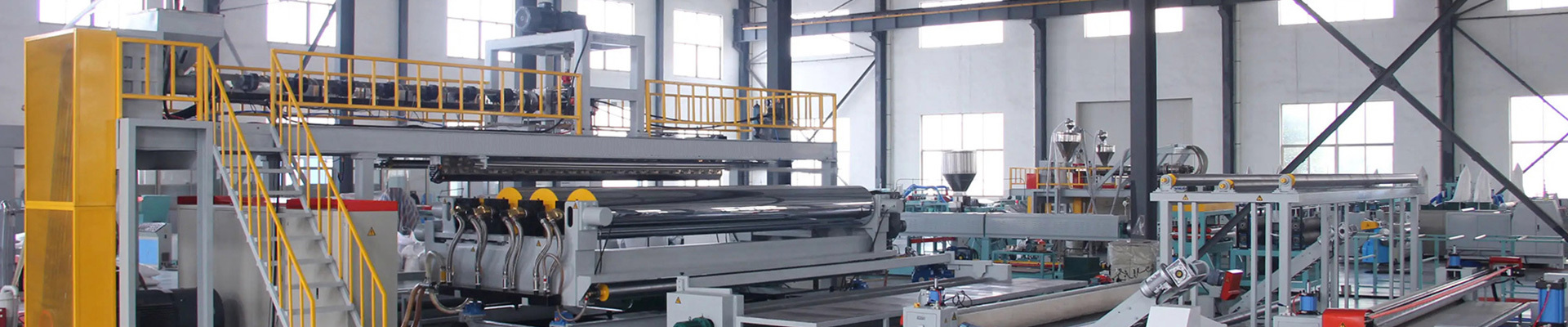
Composite drainage net (also known as three-dimensional composite drainage net, drainage grid and drainage geogrid) is a new type of drainage geotechnical material. It is made of high-density polyethylene (HDPE) through a special extrusion molding process and has a special three-layer structure. The ribs in the middle are rigid, arranged vertically to form a drainage channel, and the ribs arranged vertically and crossed form a support to prevent the geotextile from being embedded in the drainage channel, and maintain good drainage performance even under high loads. Composite drainage net is used in combination with double-sided adhesive permeable geotextiles, which has the comprehensive performance of "filtration-drainage-ventilation-protection", and is currently an ideal drainage material.
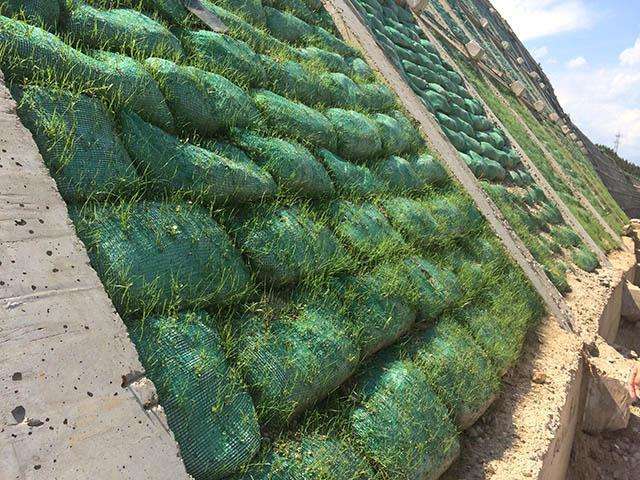
1. Lay between the foundation and the sub-base to drain the accumulated water between the foundation and the sub-base, block capillary water, and effectively combine with the edge drainage system. This structure of the composite drainage network automatically shortens the drainage path of the foundation, greatly shortens the drainage time, and can reduce the number of foundation materials to be selected (that is, finer materials and materials with lower permeability can be used), thus prolonging the life of the road. service life.
2. Laying a drainage pipe network on the sub-base can prevent the sub-base fine materials from entering the sub-base (i.e. play an isolation role). Aggregate will enter the upper part of the geonet to a limited extent. In this way, the composite drainage network also has the potential function of restricting the lateral movement of the aggregate base, so that its function is similar to the reinforcement function of the geogrid. In general, the tensile strength and stiffness of the composite drainage mesh are superior to many geogrids used for foundation reinforcement, and this limitation will increase the bearing capacity of the foundation.
3. After the road is aging and cracks are formed, most of the rainwater will enter the road section. In this case, the drainage network is laid directly under the pavement, rather than under a drainable foundation. Drainage nets collect water before it reaches the foundation/subbase. And a film can be wrapped at the bottom of the drainage pipe network to further prevent water from entering the foundation. For rigid road systems, this structure allows roads to be designed with a higher drainage coefficient Cd. Another advantage of this structure is that it allows for more uniform hydration of the concrete (research into the extent of this advantage is ongoing). No matter for rigid road or flexible road system, this structure can prolong the service life of the road.
4. Under the northern climate conditions, the laying of drainage pipe network can help reduce the impact of frost heave. If the freezing depth is deep, geotextiles can be laid in shallower places in the subgrade to act as capillary plugs. In addition, it is often necessary to replace it with a granular subbase that is not prone to frost heave and extends down to the freezing depth. Frozen backfill can be directly filled on the drainage pipe network until the foundation line of the ground. In this case, a composite drainage network system can be connected to the drainage outlet so that the groundwater table is at or below this depth. This may limit the development of ice crystals. When the ice in cold regions melts in the spring, there is no need to limit traffic loads.
Previous Page
RELATED NEWS
What is the function of the waterproof board?
2022/11/14 15:47
Precautions for waterproof board construction
2022/11/03 11:58
What are the characteristics of the waterproof plate
2022/10/24 14:32
What is the purpose of the waterproof plate
2022/10/08 16:06
CONTACT US
Contact person : Mr. Lu Dawei
Tel : +86-5342131818
Tel : +86-13792211121
WhatsApp:+86-13792211121
Address: Lingcheng Economic Development Zone, Dezhou City
Copyright : Dezhou Yiwei Geomaterials Co., Ltd. Powerby : 300.cn jinan2 SEO BUSINESS LICENSE